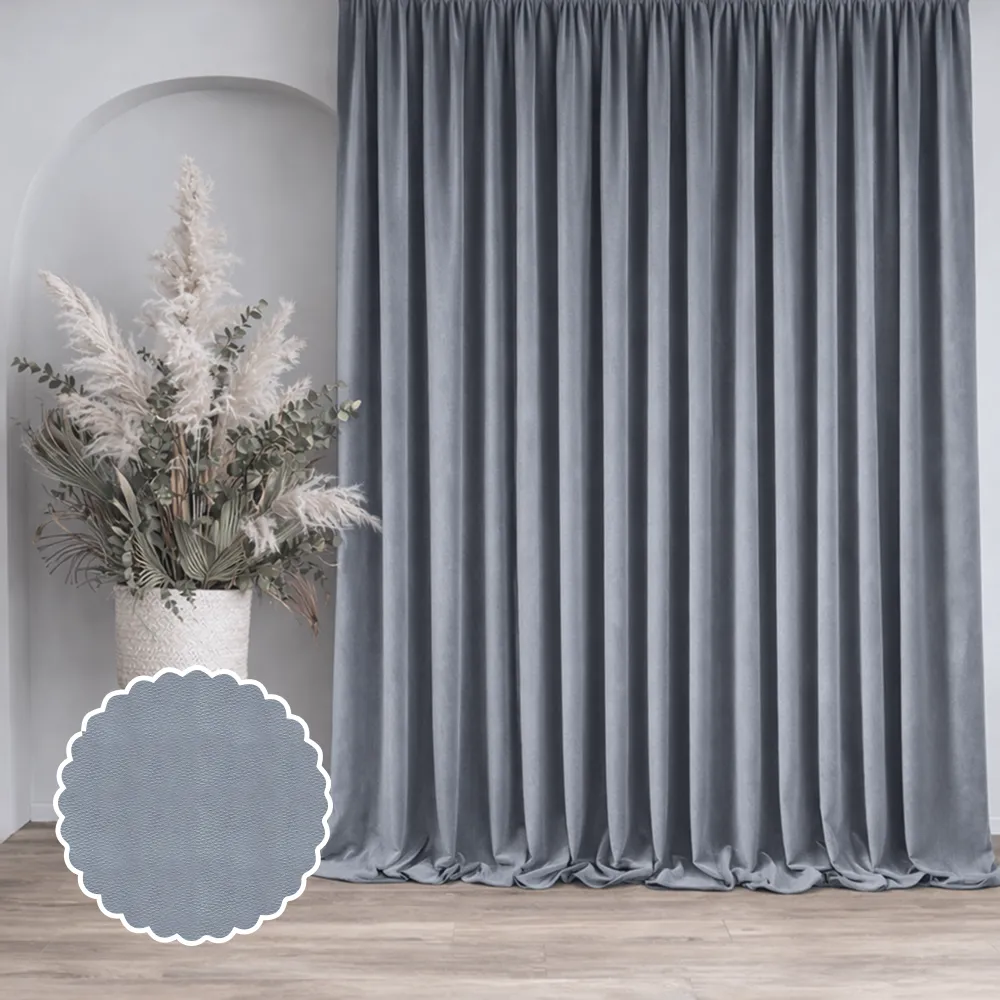
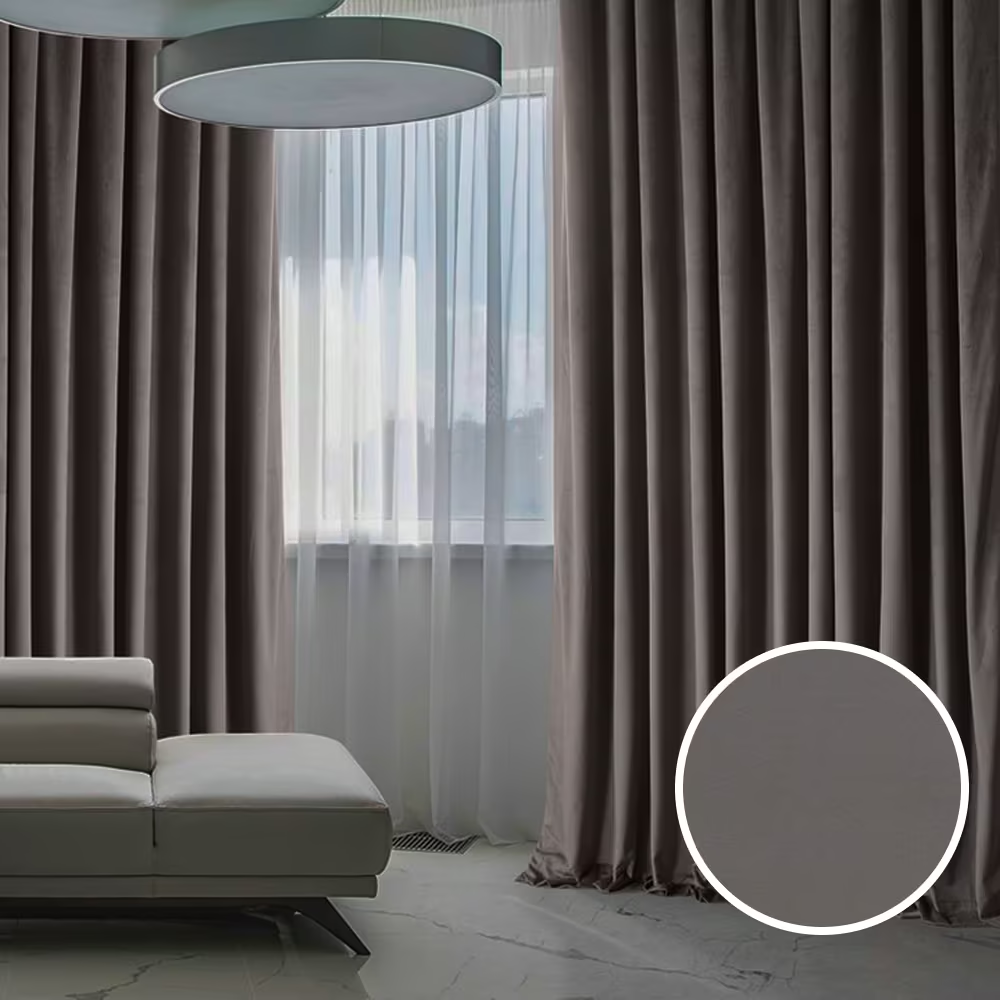
Natural and neutral curtain tones — cream, ivory, oatmeal, warm white, and stone — account for the largest share of curtain sales in Dubai, and the reason is straightforward: they work universally. In a property market where apartments and villas are regularly sold and re-tenanted, interior choices that are elegant without being polarising represent the highest value. Natural curtains pass this test better than any other colour category.
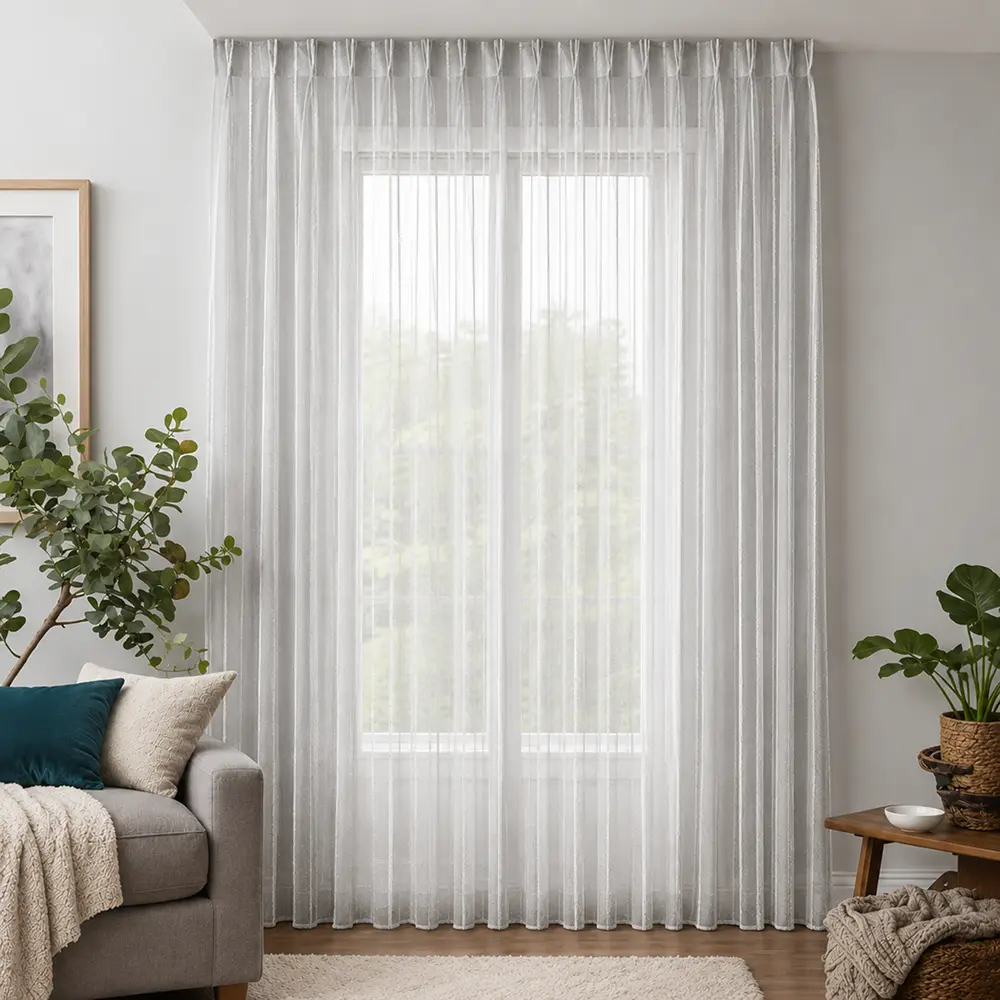
The range of what counts as "natural" in curtain fabrics is considerably wider than the term implies. At the lightest end, ivory and ecru are near-white with a very slight warm cast — these are the most popular colours for sheers because they read as white from outside while being softer and more flattering than pure white in the interior light. Moving towards cream, the warm yellow undertone becomes more visible, particularly in strong sunlight. Oatmeal and flax — the classic linen tones — are distinctly warm and textured, reading as natural and organic rather than just off-white.
Linen fabric in natural tones is consistently the most popular curtain choice in Dubai living rooms and dining areas. The reason is that linen's natural texture — the slight variation in weave, the random slub in the yarn — prevents the flat, characterless appearance that plain synthetic fabrics in neutral tones can produce. A natural linen curtain has a visual depth that reads as considered and quality-conscious, even without an unusual colour or pattern.
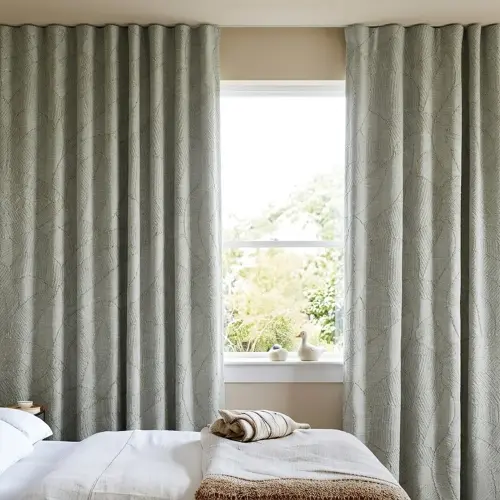
For Dubai bedrooms, cream and ivory blackout curtains occupy a specific and important niche: they provide the essential light-blocking performance that Dubai's intense morning sun makes necessary, without the visual heaviness of dark coloured blackout. In a room with white or near-white walls — as most Dubai bedrooms are — a cream blackout curtain is effectively invisible when closed, maintaining the bright and airy feel of the room during the day and providing complete darkness when needed.